Step one
Talk it through
You tell me your sport, your season, and what “better” means to you. I listen first.
The body you were given, on purpose
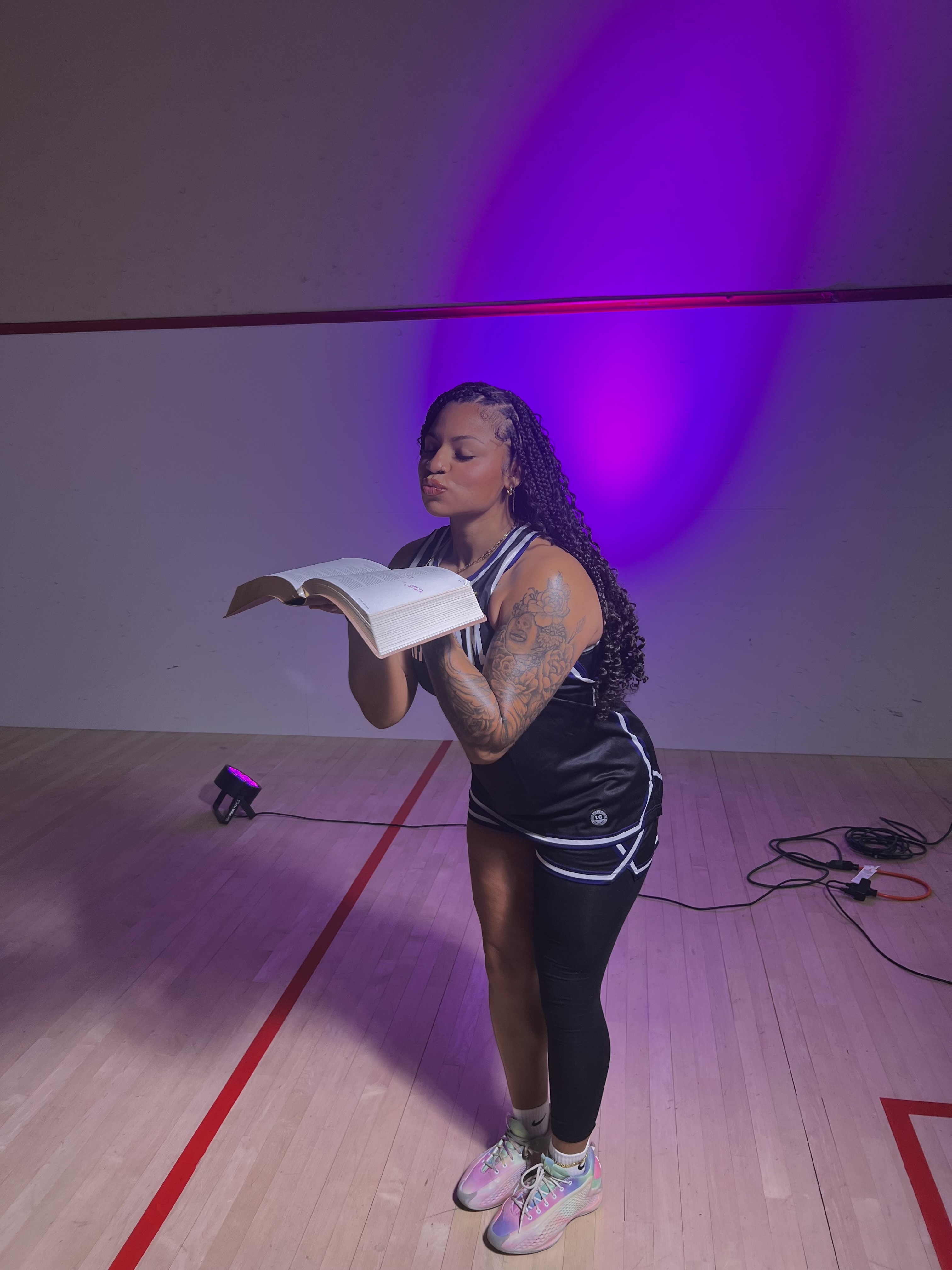
“Training should make you move better not just look stronger on paper.” Strength, speed and mindset coaching for young women athletes in Richmond, IN.
Get In TouchFounding clients
Mindset & Muscle is one year in, and I am building this the slow way — with athletes who want to be tested, re-tested, and told the truth about what the numbers say.
Client results are coming soon. I would rather show you real ones than made-up ones.
What I can show you today is the method: functional strength, plyometrics for power, mobility that protects your joints, and movement that carries into your sport and the rest of your life.
Start here
Two athletes at a time, so nobody trains on autopilot.
Get In TouchSound familiar
“I lift, but I still feel slow on the court.”
“I want to look better and I am tired of guessing.”
“My head quits before my legs do.”
Built on Purpose
Not just being able to pick up heavy weights, but move it and translate it into everyday life. Patterns that mirror what you actually need on the field or the court.
Plyometrics in every block. Strength without explosive mobility or sport-specific carryover only gets you so far — I learned that as a collegiate athlete myself.
Range of motion work to guard your joints and expand what you can safely load, so a long season does not cost you the next one.
I draw on my sports psychology background because the athletes who improve fastest are the ones who can push through discomfort and stay locked in when they are tired.
The process
Step one
You tell me your sport, your season, and what “better” means to you. I listen first.
Step two
We measure where you are — strength, movement quality, power output — and write it down.
Step three
Programming built around your goals, adjusted from your feedback. “Open minded and love to hear feedback.”
Step four
Same tests, new numbers. That is how we know it is working instead of hoping it is.
The shift
Straight answers
That is the whole point. Every block includes movement patterns that mirror what you do in competition, plus plyometrics for the power you need in a short window.
No. In-season we train to keep your strength and protect your joints without adding fatigue you cannot recover from. Off-season is where we push.
Yes. The same work that makes an athlete explosive is the work that makes getting up off the floor feel easy. Same method, different target.
Say so. I want clients who speak their mind — whether it hurts, feels off, or they love it. I will not enable bad habits, but I will always hear you out.
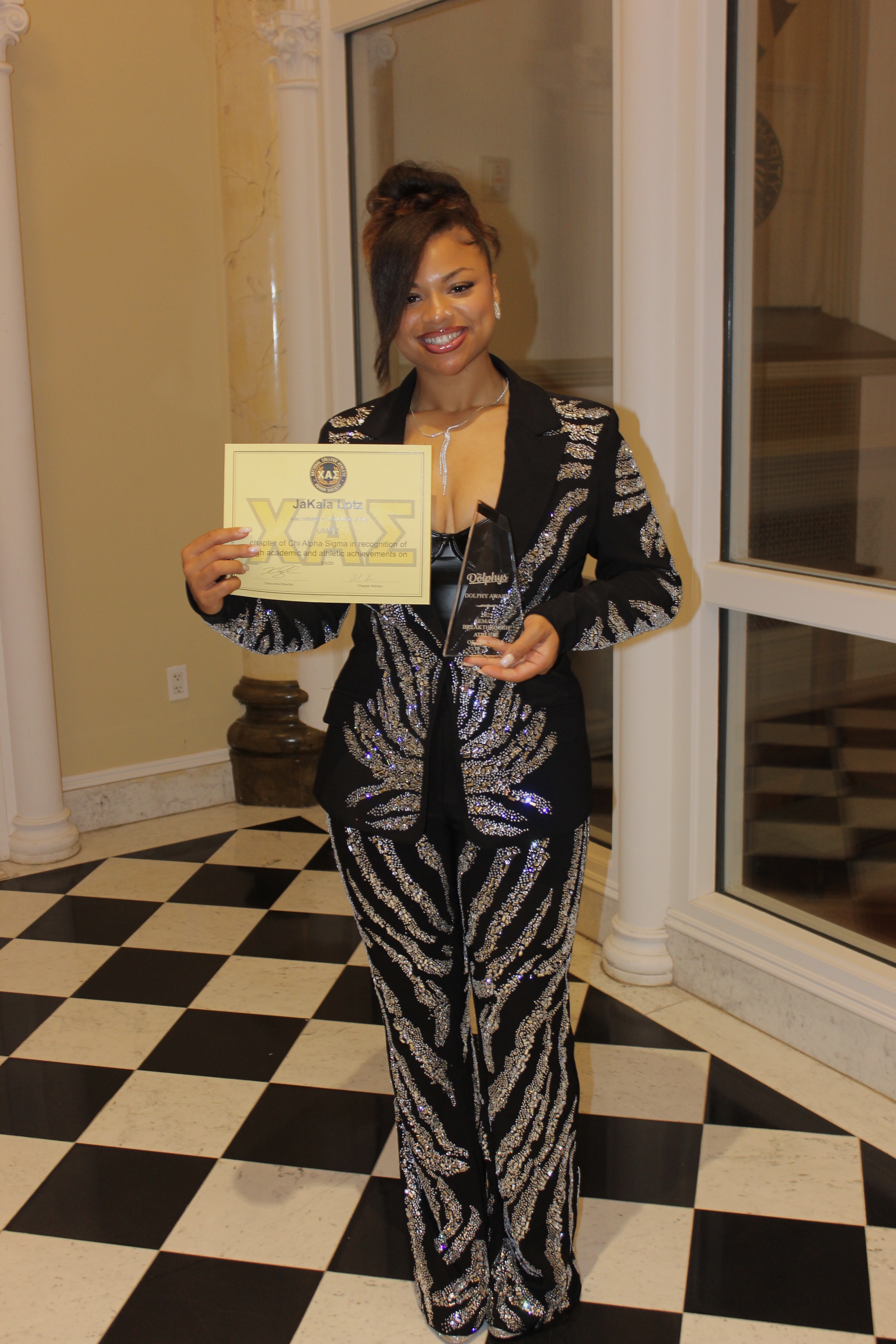
I was a collegiate athlete, and I understood early how much of my physical life would carry into the rest of it. I coach the way I wish I had been coached: supportive, honest, and always prioritizing the goals you set — never enabling the patterns holding you back.
I'm not just building bigger lifts, I'm building athletes.
Get In TouchSteward the body you were given — on purpose.